
Top 5 Mobile Apps Every UK Taxi Driver Should Use
A taxi driver’s work in the UK changes hour by hour. Morning shifts can start with airport runs, midday might bring steady local fares, and evenings often involve unpredictable routes. Managing all of this well takes more than skill behind the wheel. The right apps can make a clear difference, helping you plan, save, and stay connected without wasting time.
Google Maps
This remains a mainstay for navigation. It provides live traffic data, lane guidance, and route changes when congestion builds. You can also see estimated arrival times and alternative paths before committing. Many drivers still use a second navigation app alongside it to double-check routes during peak hours. That small habit can reduce delays and prevent missed bookings.
Waze
Waze draws on reports from other drivers in real time. It flags hazards, accidents, and sudden traffic build-up. Alerts about police speed checks and road closures can save you from taking costly detours. Because the information comes directly from people on the road, it often spots problems faster than standard navigation tools. A few extra completed jobs in a shift can be the difference between an average and a good day’s earnings.
Petrol Prices
Rising fuel costs remain a constant challenge. Petrol Prices shows the cheapest stations along your route, updated with recent figures. Planning stops using this app can save a significant amount over the month. Drivers who operate long hours often combine it with loyalty apps from specific fuel chains to add further savings. The effect on your bottom line may seem small at first, but it builds over time.
Good communication is vital in this line of work. WhatsApp lets you message passengers, dispatchers, or other drivers quickly. Many use group chats to share tips on busy locations or to warn about heavy traffic in certain areas. These quick exchanges can help you adjust your route or pick-up schedule on the fly, keeping your shift productive.
Evernote
Tracking mileage, expenses, and maintenance in one place is easier with Evernote. Instead of paper logs, you can store everything in digital notebooks. Clear records help with tax reporting and also make it easier to review costs. This information can guide decisions about when to service your vehicle or replace parts before a breakdown interrupts work.
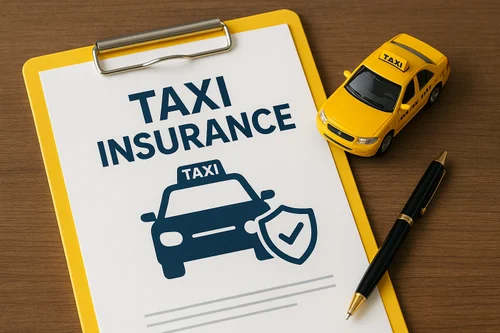
Apps support the daily flow of driving, but they do not remove the need for strong legal and financial safeguards. Taxi insurance is specialist hire-and-reward cover for licensed vehicles carrying paying passengers. It protects against the costs of damage, accidents, or theft, while also meeting licensing rules. Some providers now have mobile apps of their own, giving you instant access to documents, renewal dates, and claims processes. Being able to handle these tasks on your phone can shorten downtime after a problem, allowing you to return to work sooner.
Your set of tools should adapt as your work changes. If you move from short local runs to longer intercity trips, you might adjust your navigation settings, shift times, and fuel stop habits. In the same way, reviewing your taxi insurance ensures it still matches your pattern of work. Public and private hire policies cover different risks, and extras like legal support or roadside assistance can make a major difference when far from your base. Matching the cover to your real needs helps avoid gaps and keeps costs in check.
Passenger service also improves with the right apps. Navigation tools support punctual arrivals, messaging apps keep passengers informed, and record-keeping helps maintain a professional operation. When customers see a driver who is organised, efficient, and reliable, they are more likely to choose that service again. In a competitive market, repeat business can provide stability.
Technology will keep moving forward, and new apps will arrive. Some will focus on fuel efficiency, others on booking management or safety alerts. While the tools may change, the combination of smart technology use and well-fitted taxi insurance will remain central to staying competitive. The best drivers are those who adapt quickly, keep their business protected, and make full use of what modern tools can offer.
