
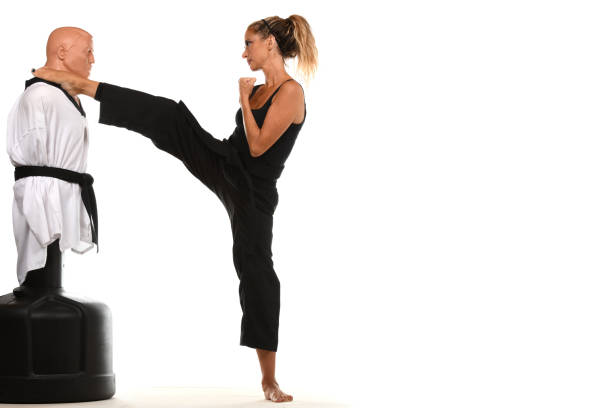
Applied Self-Defence Training Rooted in Situational Awareness and Composure
Applied self-defence training rooted in situational awareness and composure represents a modern, practical approach to personal safety. Rather than relying solely on physical techniques, this training emphasises awareness, decision-making, and emotional control in real-world situations. In an unpredictable world, the ability to recognise danger early and respond calmly can be far more effective than strength or aggression alone. This article explores how applied self-defence training builds these essential skills and why they are critical for real-life protection.
Understanding Applied Self-Defence Training
Applied self-defence training focuses on realistic scenarios rather than choreographed movements or sport-based techniques. It prepares individuals for the types of encounters most likely to occur in everyday life, such as confrontations in public spaces, verbal aggression, or unexpected threats.
Unlike traditional martial arts that may prioritise forms or competition, applied self-defence training is grounded in practicality. Techniques are designed to be simple, adaptable, and effective under stress. The goal is not to “win a fight” but to create opportunities to escape safely while minimising harm.
The Role of Situational Awareness in Personal Safety
Situational awareness is the foundation of effective self-defence. It involves being consciously aware of one’s surroundings, recognising potential risks, and identifying changes in behaviour or environment that may signal danger.
Applied self-defence training teaches individuals how to scan their environment without fear or paranoia. This includes understanding body language, recognising pre-incident indicators, and maintaining awareness in common settings such as car parks, public transport, or crowded areas.
By developing situational awareness, many dangerous encounters can be avoided entirely. Early recognition allows individuals to adjust their behaviour, create distance, or leave an area before a situation escalates.
Composure: Staying Calm Under Pressure
Composure is often the deciding factor in how a threatening situation unfolds. Under stress, the body’s natural fight-or-flight response can impair decision-making, coordination, and perception.
Applied self-defence training places strong emphasis on remaining calm and controlled under pressure. Through stress-based drills and scenario training, practitioners learn how to manage adrenaline, regulate breathing, and maintain clarity of thought.
This composure allows individuals to respond deliberately rather than react emotionally. Calm decision-making increases the likelihood of choosing the safest option, whether that involves verbal de-escalation, disengagement, or physical action when absolutely necessary.
Why Awareness and Composure Matter More Than Technique
While physical techniques have their place, applied self-defence training recognises that real-life confrontations are unpredictable. There may be environmental obstacles, multiple threats, or limited space. In such conditions, complex techniques often fail.
Situational awareness helps prevent surprise, while composure enables effective action when prevention is no longer possible. Together, they allow individuals to adapt to rapidly changing circumstances and make sound judgments under stress.
This mindset-based approach empowers people of all ages and physical abilities, making applied self-defence training accessible and relevant to a wide audience.
Conclusion
Applied self-defence training rooted in situational awareness and composure offers a realistic, effective approach to personal safety. By prioritising awareness, emotional control, and practical decision-making, this training equips individuals to navigate potentially dangerous situations with confidence and clarity.
Rather than relying on brute force or rigid techniques, searching for ‘self-defence classes near me‘, allows you to focus on prevention, adaptability, and calm responses. In real-world self-protection, awareness and composure are not just complementary skills — they are essential.
