
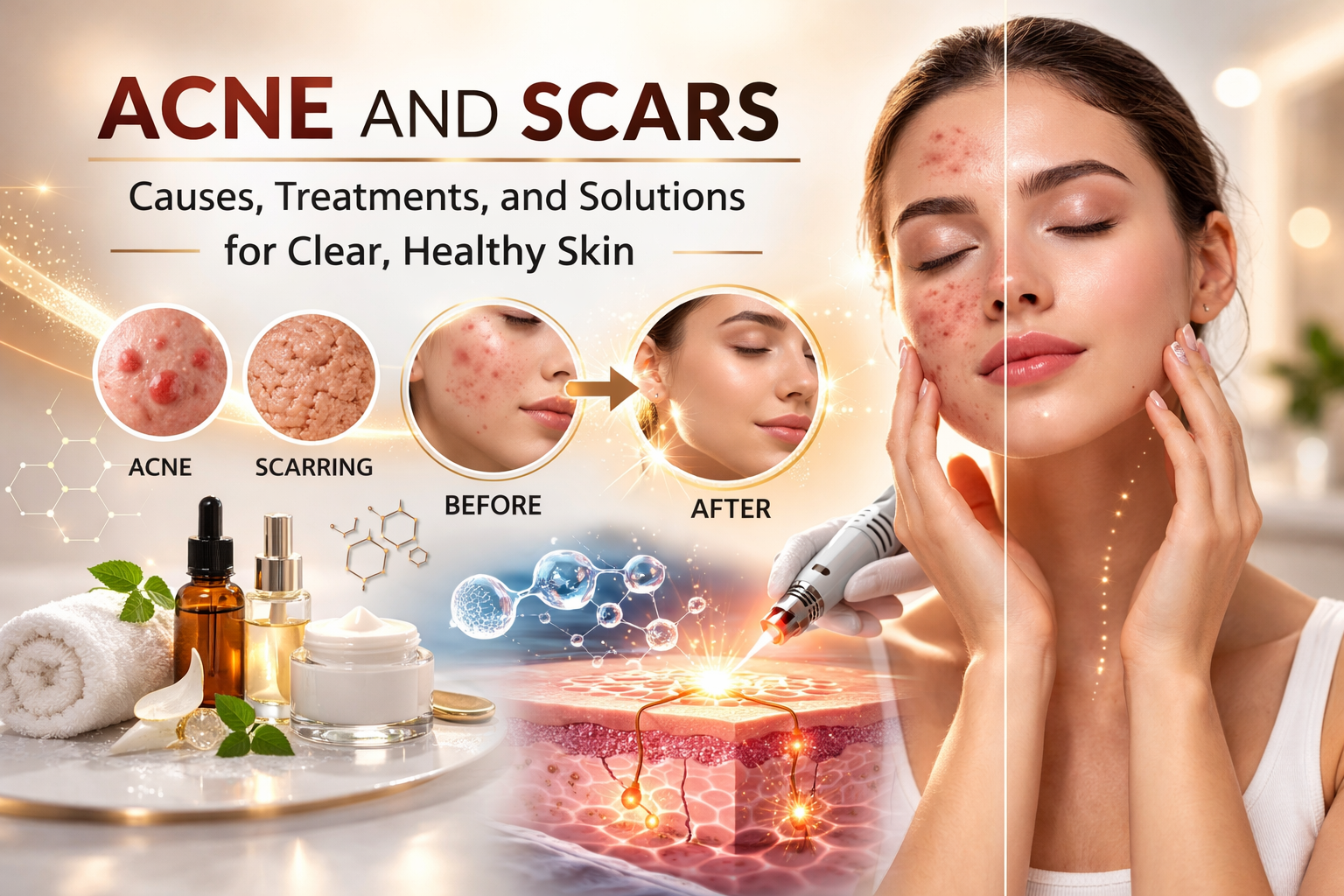
Acne and Scars: Causes, Treatments, and How to Restore Clear Skin
Acne is one of the most common skin conditions worldwide, affecting teenagers and adults alike. While active breakouts can be frustrating, the marks and scars left behind often feel even more discouraging. Understanding the causes of acne and scars, along with the most effective treatment options, can help you take control of your skin and restore confidence.
At Gold City, advanced dermatological treatments are designed to address both active acne and the scars it may leave behind. With the right approach, smoother, healthier-looking skin is achievable.
What Is Acne?
Acne is a skin condition that occurs when hair follicles become clogged with oil (sebum), dead skin cells, and sometimes bacteria. It can appear on the face, chest, back, shoulders, and neck. Common types of acne include:
-
Whiteheads (closed clogged pores)
-
Blackheads (open clogged pores)
-
Papules (small red bumps)
-
Pustules (pimples with pus)
-
Nodules and cysts (deep, painful lumps under the skin)
Acne is often associated with hormonal changes during puberty, but it can also affect adults due to stress, hormonal imbalances, certain medications, diet, or improper skincare routines.
Why Does Acne Cause Scars?
Not all acne leads to scarring. Scars usually develop when inflammation penetrates deeply into the skin and damages the surrounding tissue. When the body attempts to repair this damage, it produces collagen. If too little or too much collagen is produced, a visible scar forms.
Types of Acne Scars
-
Atrophic scars (depressed scars)
-
Ice pick scars
-
Boxcar scars
-
Rolling scars
-
-
Hypertrophic scars (raised scars)
These occur when the body produces excess collagen during healing. -
Post-inflammatory hyperpigmentation (PIH)
Although technically not a scar, dark spots left after acne can persist for months and are often confused with permanent scarring.
Proper treatment requires identifying the type of scar and tailoring the therapy accordingly.
Common Causes and Risk Factors
Several factors increase the likelihood of developing acne and scars:
-
Picking or squeezing pimples
-
Severe or cystic acne
-
Delayed treatment
-
Genetic predisposition
-
Prolonged inflammation
Early and professional management significantly reduces the risk of permanent scarring.
For individuals seeking expert care for acne and scars, professional evaluation is essential to determine the most effective treatment plan.
Treatment Options for Acne
Treating acne early can prevent long-term damage. Options may include:
1. Topical Treatments
-
Retinoids to unclog pores
-
Benzoyl peroxide to reduce bacteria
-
Salicylic acid for exfoliation
-
Antibiotic creams for inflammation
2. Oral Medications
-
Antibiotics for moderate to severe acne
-
Hormonal therapy for hormone-related acne
-
Isotretinoin for severe, resistant cases
3. Professional Skin Treatments
-
Chemical peels
-
Laser therapy
-
Light-based treatments
-
Medical-grade facials
A personalized treatment plan ensures better results and minimizes future scarring.
Advanced Treatments for Acne Scars
Once scars have formed, they often require targeted medical treatments. Modern dermatology offers several effective solutions:
1. Laser Resurfacing
Laser treatments stimulate collagen production and smooth uneven skin texture. They are particularly effective for atrophic scars.
2. Microneedling
This procedure creates tiny micro-injuries in the skin to trigger natural healing and collagen formation, improving texture over time.
3. Chemical Peels
Medium to deep peels remove damaged skin layers, encouraging new skin growth and reducing discoloration.
4. Dermal Fillers
Fillers can temporarily raise depressed scars to match surrounding skin levels.
5. Subcision
This minor surgical technique releases fibrous bands pulling down depressed scars.
The right method depends on scar type, skin type, and overall skin health. In many cases, combining treatments yields the best outcome.
How Long Does It Take to See Results?
Treatment timelines vary depending on severity and chosen procedures. Mild acne may improve within weeks, while scar treatments often require multiple sessions over several months.
Patience is essential, as collagen remodeling and skin regeneration take time. However, consistent care and professional guidance can produce significant improvements.
Preventing Acne and Future Scars
Prevention is always better than correction. Here are practical steps to reduce acne and minimize scarring risk:
-
Avoid picking or squeezing pimples
-
Use non-comedogenic skincare products
-
Cleanse gently twice daily
-
Apply sunscreen daily to prevent pigmentation
-
Seek professional treatment early
Sun protection is especially important because UV exposure can darken scars and prolong healing.
Emotional Impact of Acne and Scars
Beyond physical appearance, acne and scarring can affect self-esteem and emotional well-being. Many individuals report feeling self-conscious in social or professional settings.
Addressing skin concerns is not just about aesthetics—it’s about restoring confidence and improving quality of life. Seeking professional help can be an empowering first step toward clearer skin and renewed self-assurance.
Why Professional Treatment Matters
While over-the-counter products can help mild cases, persistent acne and visible scars often require medical expertise. A trained specialist can:
-
Accurately diagnose the condition
-
Determine the type of scar
-
Recommend evidence-based treatments
-
Monitor progress safely
Personalized care reduces the risk of worsening the condition and ensures optimal outcomes.
Final Thoughts
Acne and scars are common but treatable conditions. With early intervention, proper skincare, and advanced medical treatments, smoother and healthier skin is within reach.
If you are struggling with breakouts or long-standing scars, professional evaluation can make all the difference. Modern dermatological solutions provide effective, safe, and tailored approaches for lasting improvement.
