
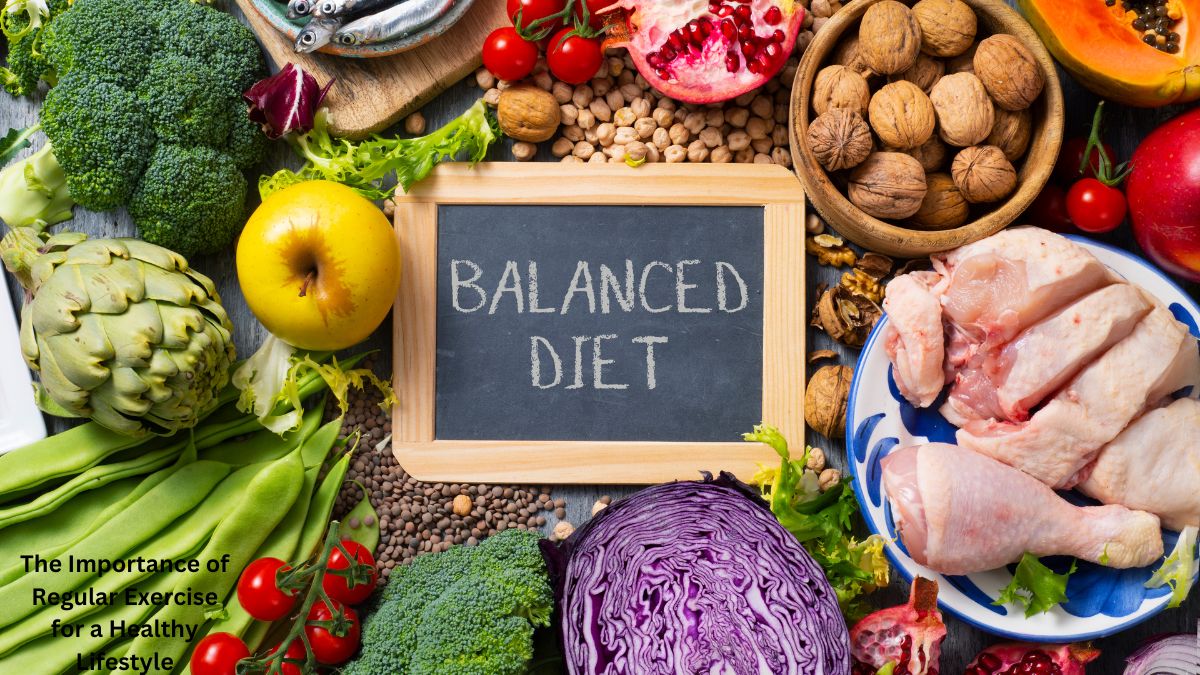
Balanced Diet: The Key to Optimal Health
A balanced diet is one of the most important factors for leading a healthy life. It provides the body with all the essential nutrients it needs to function effectively. A proper diet not only supports physical health but also enhances mental well-being. Let’s understand what a balanced diet means and why it is vital for our health.
What is a Balanced Diet?
A balanced diet means eating a variety of foods in the right quantities to supply the body with carbohydrates, proteins, fats, vitamins, minerals, and water. Each of these nutrients has a specific role in keeping the body healthy:
- Carbohydrates: These are the main source of energy for the body. Healthy options include whole grains, vegetables, fruits, and legumes.
- Proteins: Proteins are important for growth, repairing tissues, and building muscles. Good sources are lean meats, eggs, beans, nuts, and dairy products.
- Fats: Healthy fats are necessary for brain function and energy storage. Foods like avocados, nuts, seeds, and fish provide good fats.
- Vitamins and Minerals: These micronutrients help with various body functions, such as boosting immunity and strengthening bones. Foods like leafy vegetables, fruits, and dairy products are excellent sources.
- Water: Staying hydrated is essential as water helps digestion, regulates body temperature, and supports overall functions.
Why is a Balanced Diet Important?
A balanced diet has a significant impact on both short-term and long-term health. Below are some key benefits:
- Stronger Immunity: Eating nutrient-rich foods helps the body fight off infections and illnesses. For instance, vitamin C found in citrus fruits boosts immunity.
- Better Energy Levels: A mix of healthy carbohydrates, proteins, and fats ensures sustained energy throughout the day, preventing tiredness.
- Healthy Weight Management: A balanced diet reduces the risk of overeating and promotes healthy weight maintenance.
- Improved Mental Health: Certain foods, like fish rich in omega-3 fatty acids and leafy greens, have been linked to better mental well-being and reduced stress.
- Lower Risk of Chronic Diseases: Eating a variety of healthy foods can lower the chances of heart disease, diabetes, and other long-term illnesses. For example, whole grains and fiber-rich foods promote heart health.
How to Follow a Balanced Diet
Incorporating a balanced diet into your daily life doesn’t need to be complicated. Here are some simple tips:
- Eat a Variety of Foods: Include different food groups like fruits, vegetables, grains, and proteins to ensure diverse nutrients.
- Practice Portion Control: Eating the right amount of food prevents overeating and keeps you energized.
- Choose Whole and Natural Foods: Limit processed and sugary foods. Opt for fresh produce and whole grains instead.
- Stay Hydrated: Drink plenty of water every day to keep your body hydrated and support digestion.
- Plan Meals Ahead: Preparing meals in advance can help you avoid unhealthy food choices when you are busy.
Conclusion
A balanced diet is essential for leading a healthy and active life. It not only provides the nutrients your body needs to perform daily tasks but also protects you from illnesses and supports mental health. By making mindful food choices and following simple dietary habits, you can ensure long-term well-being.
