
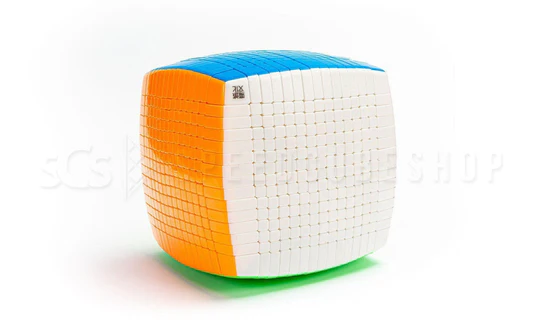
Exploring the World of Cube Puzzles: A Challenge for Your Mind
Cube puzzles have taken the world by storm, captivating both beginners and seasoned puzzle enthusiasts. From the classic Rubik’s Cube to modern variations, these puzzles provide hours of entertainment and mental stimulation. But what makes cube puzzles so appealing, and why should you dive into this intriguing world? In this article, we explore the different types of cube puzzles and the reasons why they’ve become so popular.
What Are Cube Puzzles?
Cube puzzles are three-dimensional mechanical puzzles that involve arranging or rotating the pieces to achieve a specific goal. The most famous of all cube puzzles is the Rubik’s Cube, which has captivated millions since its invention in the 1970s. However, the world of cube puzzles extends far beyond the classic 3×3 puzzle, with various sizes, shapes, and complexity levels to explore.
Cube puzzles challenge the brain in unique ways, testing spatial awareness, memory, and problem-solving skills. With a variety of difficulty levels, they cater to all ages and skill levels, making them a great activity for everyone.
Types of Cube Puzzles
1. Rubik’s Cube (3×3)
The 3×3 Rubik’s Cube is the most iconic puzzle in the world. It features six colored faces, each divided into nine squares, and the goal is to align the colors so that each side of the cube is a single solid color. Despite its seemingly simple concept, the Rubik’s Cube has over 43 quintillion possible configurations, which makes solving it a challenging yet rewarding experience.
2. Larger Cubes: 4×4, 5×5, and Beyond
For those who have mastered the 3×3 cube, the next step is tackling larger cube puzzles like the 4×4, 5×5, and even 6×6 or 7×7 cubes. These puzzles offer more complexity due to the increased number of moving parts, and they require different solving techniques compared to the traditional 3×3 cube. Solving larger cubes can be a great way to enhance your problem-solving abilities and test your patience.
3. Pyraminx and Skewb
Beyond the traditional cubes, there are alternative shapes in the cube puzzle family. The Pyraminx, a pyramid-shaped puzzle, and the Skewb, a cube that twists around its corners, offer unique challenges. These puzzles often have different solving methods and provide a refreshing twist on the traditional cube puzzle.
The Cognitive Benefits of Solving Cube Puzzles
Cube puzzles are not only fun; they are also an excellent workout for your brain. Here are some of the cognitive benefits you can gain from regularly solving these puzzles:
1. Improved Problem-Solving Skills
Solving a cube puzzle requires thinking critically, strategizing, and understanding patterns. This process strengthens your problem-solving abilities and enhances logical thinking, which can be applied to other areas of life.
2. Enhanced Memory and Focus
The repetitive nature of cube puzzles helps to enhance memory. As you memorize algorithms and sequences of moves, your brain is actively engaged, improving both short-term and long-term memory. Additionally, solving cube puzzles requires deep concentration, which can help improve your overall focus.
3. Stress Relief and Relaxation
Cube puzzles provide a form of active relaxation. Focusing on a puzzle can help you clear your mind, reducing stress and anxiety. Many solvers report feeling a sense of accomplishment and calm after solving a puzzle.
Where to Find the Best Cube Puzzles
If you’re ready to explore the world of cube puzzles or level up your collection, there are numerous options available. You can find a variety of high-quality puzzles online that cater to both beginners and expert solvers. Whether you’re looking for classic Rubik’s Cubes, larger cubes, or unique puzzle shapes, there’s something for everyone. For a wide selection of cube puzzles, check out the options at SpeedCubeShop.
Tips for Solving Cube Puzzles Faster
While cube puzzles may seem daunting at first, with the right techniques and practice, you can solve them faster and more efficiently. Here are a few tips to help you on your solving journey:
1. Learn Algorithms
Learning common algorithms is crucial for solving cube puzzles quickly. These algorithms are sequences of moves that can help you manipulate the puzzle without disturbing the already solved sections. With practice, you can memorize these algorithms and apply them in various situations.
2. Practice Regularly
Like any skill, practice is key. The more you practice solving cube puzzles, the faster you’ll become. Set aside time each day to solve different puzzles and challenge yourself with new variations.
3. Use Online Tutorials
If you’re stuck on a particular puzzle or technique, online tutorials can be incredibly helpful. There are numerous resources available, from YouTube videos to specialized cubing websites, to guide you through solving even the most complex puzzles.
Final Thoughts
Cube puzzles are an excellent way to challenge your mind and develop cognitive skills. Whether you’re a beginner just starting with a 3×3 cube or an experienced solver tackling larger, more complex puzzles, there’s a puzzle for everyone. The sense of accomplishment after solving a challenging puzzle is unmatched, and with practice, you’ll find yourself improving each time. So, why not start your journey into the world of cube puzzles today?
