
Breaking Down the Main Types of Affiliates for Smarter Marketing
Affiliate marketing is one of the most accessible ways to earn income online, yet many people step into it without a clear understanding of the different approaches they can take. While the concept may sound simple, promote a product and earn a commission the strategy you choose can make or break your results. For beginners and experienced marketers alike, the question of what are the 3 main types of affiliates is an important one because the answer will determine the way you plan, create, and promote your offers.
The Foundation of Affiliate Marketing
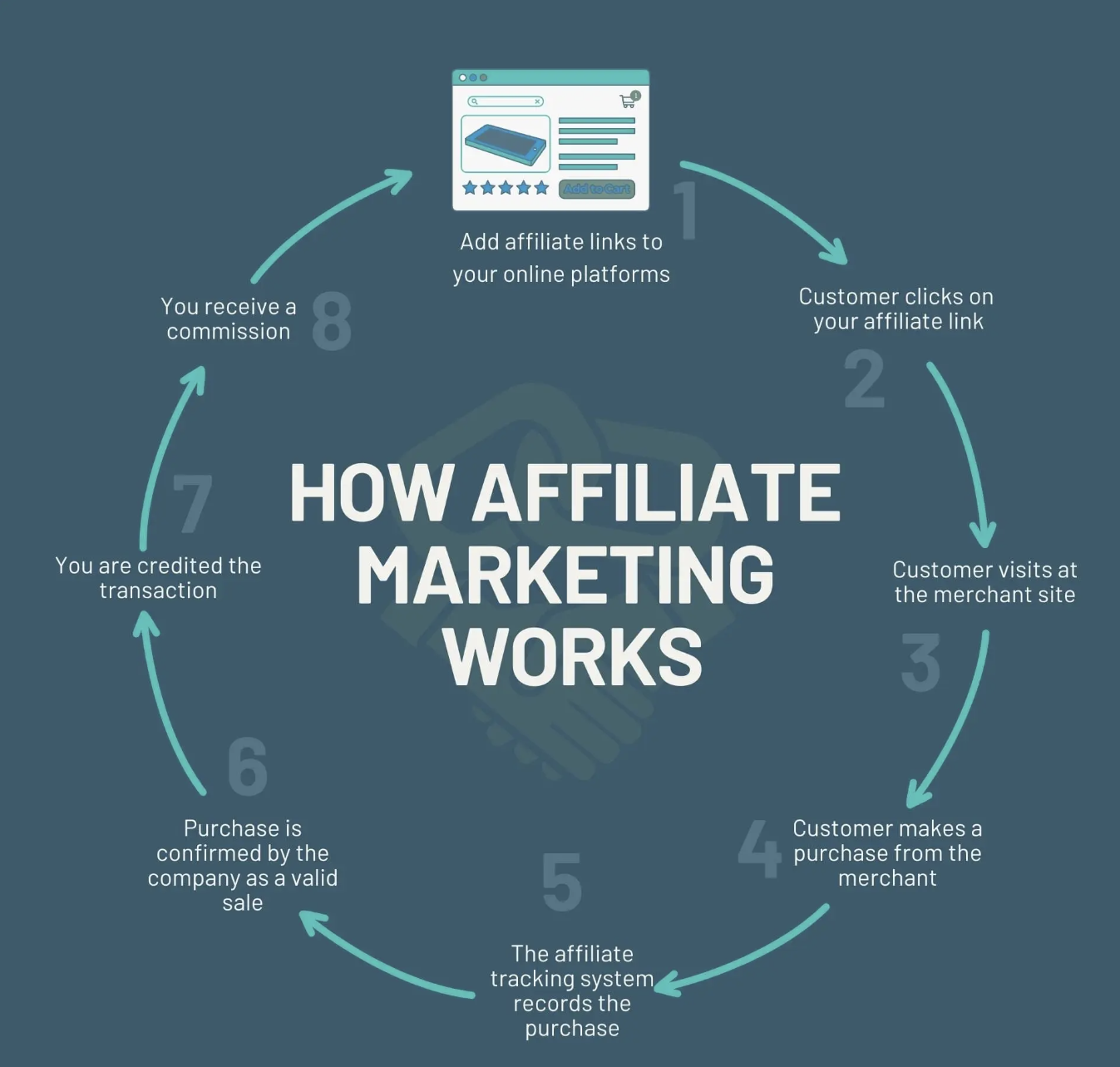
In its simplest form, affiliate marketing is a partnership between a brand and a promoter who earns a commission when a user completes a specific action, such as buying a product, signing up for a service, or submitting contact details. The brand gains more visibility and sales, while the affiliate benefits from performance-based earnings. This setup allows people to start with minimal investment compared to building a business from scratch. The flexibility to work from anywhere and choose products that match your interests has made affiliate marketing attractive to people across the world.
What Are the 3 Main Types of Affiliates and How They Differ
If you have ever wondered what are the 3 main types of affiliates, you are essentially asking about three distinct levels of involvement and connection with the audience. The first type is the unattached affiliate. These individuals do not have an existing audience or a direct link to the product they promote. They usually rely on methods like paid ads to target potential buyers. This approach can deliver fast results if you have a strong grasp of advertising platforms, but it also involves higher risk and upfront costs. The second type is the related affiliate. These affiliates operate within a niche they are familiar with, often creating content around it. While they might not personally use every product they recommend, they can still speak knowledgeably about it, which builds credibility. The third type is the involved affiliate. This group uses the product themselves, shares personal experiences, and creates content that demonstrates how it works in real life. This high level of trust can result in better conversion rates, but it also requires a genuine connection to the product.
Why the Affiliate Type You Choose Matters
Understanding what are the 3 main types of affiliates is more than just theory; it is about aligning your marketing style with your strengths. Someone comfortable with data analysis and ad testing might thrive as an unattached affiliate. Those with a niche-focused audience can succeed as related affiliates by producing valuable content. If you have firsthand experience with a product, the involved approach allows you to build strong trust that encourages sales. Choosing the wrong type can lead to wasted resources and frustration, while picking the right one can accelerate your growth.
Matching Your Skills to the Right Affiliate Path
Think about what you enjoy and where your abilities lie. If you prefer behind-the-scenes work and paid media, unattached affiliate marketing could be the most efficient route. If you like creating blog posts, videos, or social media content within a particular niche, related affiliate marketing might suit you. For those who want to share authentic experiences and create detailed reviews or tutorials, becoming an involved affiliate could be ideal. Matching your skill set to the right type means you can play to your strengths instead of forcing a strategy that feels unnatural.
Scaling and Staying Competitive
Affiliate marketing is rarely static. Once you have chosen a path, the next challenge is scaling your efforts. Unattached affiliates can grow by optimizing ad campaigns and finding high-converting offers. Related affiliates might expand into new platforms like podcasts or YouTube to reach wider audiences. Involved affiliates can build a loyal following by producing in-depth, relatable content and encouraging direct interaction with their community. Whichever type you are, staying informed about changing trends, consumer behavior, and technology is essential for long-term success.
Mistakes That Can Slow Your Progress
Some affiliates fail because they promote products without proper research. Even if you are unattached, you need to understand what you are selling and why it benefits the buyer. Others ignore performance metrics, which makes it hard to see what is working. Overloading your audience with promotions can also reduce engagement and trust. Instead, focus on quality over quantity and build your credibility over time.
FAQs
What are the 3 main types of affiliates?
They are unattached affiliates, related affiliates, and involved affiliates, each with different levels of product knowledge and audience connection.
Which affiliate type is easiest for beginners?
It depends on your strengths. Those comfortable with advertising may find unattached easiest to start, while content creators might prefer related or involved approaches.
Can I mix affiliate strategies?
Yes, many marketers use a combination. You might begin as related and later become involved once you try the products yourself.
Conclusion
The question of what are the 3 main types of affiliates is central to building a profitable and sustainable affiliate marketing strategy. Whether you choose to operate without an audience, align with a niche you know, or personally endorse a product you love, your success will come from consistency, authenticity, and the ability to adapt. By understanding these categories and selecting the one that matches your skills and resources, you can focus your energy on strategies that bring real results and help you grow over time.
Author Bio: Mark Reynolds is an online marketing strategist with extensive experience guiding affiliates toward higher earnings using platforms like PropellerAds. Mark offers clear, actionable advice for building campaigns that convert. Visit his website to discover practical tools and insights to improve your affiliate marketing results.
