
Frameless Glass vs Aluminum-Framed Shopfronts: Which One Fits Your Brand?
Are you trying to select the perfect shopfront for your retail store? Then you will need to decide whether you are going for a frameless glass or aluminum-framed design.
Both options have their benefits as well as drawbacks. That’s why we thought of sharing a guide, which you can follow to pick the best option.
Appearance and First Impressions
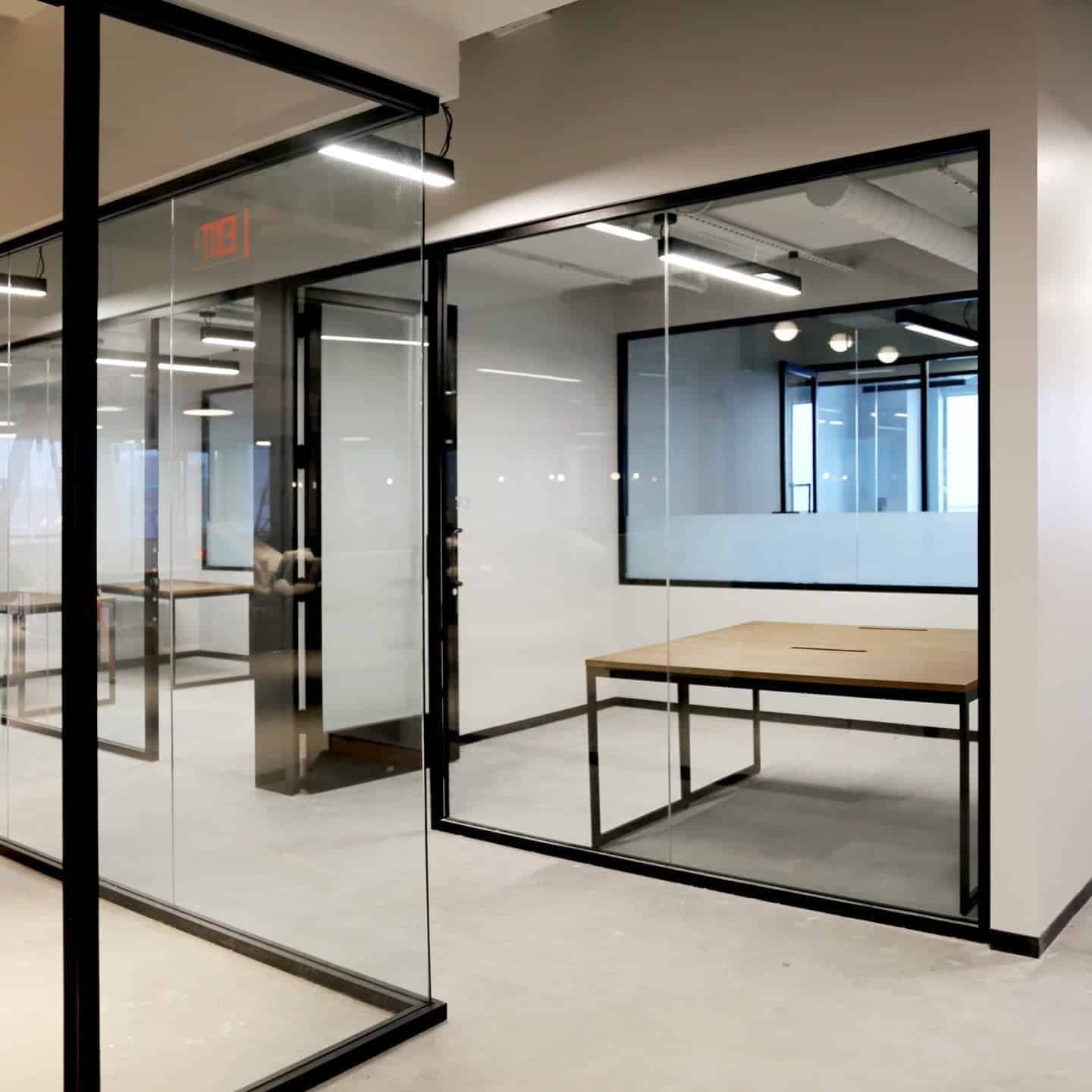
One of the most noticeable differences between frameless glass and aluminium shopfronts is their outward appearance. Frameless glass presents a sleek, modern look with uninterrupted sightlines that enhances visibility. Its minimalist style evokes spaciousness, natural light, and a contemporary ambiance that appeals to upscale boutiques, jeweler’s, galleries and high-end fashion retailers. Customers can get an unobstructed view directly into the store rather than looking through obvious dividing frames.
In contrast, aluminium frames enable more obvious branding and signage opportunities. They also offer more flexibility for customisation with a range of colours, shapes and designs available. While not as sleekly modern in aesthetic, aluminium frames have a stylish quality in their own right. They’re popular among cafés, bakeries, craft beer bars and casual apparel stores seeking a hip, industrial vibe. Brands wanting a more unique and quirky identity tend to opt for aluminium-framed shopfronts as well.
Strength, Durability and Maintenance
From a durability perspective, aluminium frames are generally considered more resilient to impacts like trolleys bumping into them or inclement weather. Frameless glass needs precisely cut, thick panes and advanced sealant technology to stand up to such potential damage risks over the long term.
So aluminium frames have a slight advantage for high-traffic storefront locations or extreme climate areas. Frameless glass shopfronts do require more meticulous ongoing maintenance to uphold their flawless glory compared to metal-framed counterparts. Any remnants of weather, dirt or fingerprints show up more obviously on expansive glass panes. So, some subtle but frequent cleaning is needed to keep them looking their best.
That said, high-quality frameless glass is extremely strong nowadays thanks to toughened glass and sturdy base structures. Reputable frameless glass shopfitters use double or triple layered panes for unbeatable strength and sound insulation. So when installed properly with reinforced glass, frameless fronts can stand the test of time and use very well in most locations. Their durability can approach that of aluminium frames. But the maintenance needs for glass do remain a little higher for the sake of optimal aesthetics.
Visibility, Lighting and Atmosphere
One area where frameless glazing excels over aluminium frames is visibility and ambience. Unframed glass frontages enable clearer sight lines in and out of a store, drawing more natural light inside. Frameless glazing thus creates a brighter, more spacious and airy interior atmosphere. For retailers selling upclose products like jewellery, accessories, fresh produce, flowers or clothing, the enhanced transparency can attract more passing foot traffic into impulse browsing or purchases. Light pierces deeper into the store’s interior too, reducing the need for excessive artificial lighting during daytime hours. This lends a warmer, eco-friendlier quality as well.
While aluminium frames permit adequate light and visibility too, some obstruction exists with their intersecting grid-like structures. Heavier metal framing can impose slightly on the openness and illuminative potential compared to pristinely transparent glass. Retailers for whom a lighter, more inviting interior ambience is important may gravitate toward frameless glass fronts instead. Those seeking a cosier, enclosed warmth might find aluminium framing more aligned with their goals.
Custom Branding and Signage Opportunities
One distinct advantage offered by aluminium-framed shopfronts lies in custom branding and signage capacities. The framing structure provides abundant real estate for mounting logo plaques, hanging sign boards, vinyl decals, posters and light boxes. This allows retailers to make a bold visual brand statement to pedestrians and passing vehicles. Creative signage configurations can also catch shoppers’ eyes. Frameless glass limits such branding display options, restricting them mostly toward etching, frosting, window decals or perhaps an illuminated suspended interior sign. So for retailers wanting to maximise branding exposure, aluminium frames best facilitate customizable solutions.
That’s not to say frameless glazing prohibits all branding elements. Etched or sandblasted glass and modern vinyl films offer stylish, subtle ways to communicate store identity too. Frameless fronts just have a more understated, less billboard-esque capacity for brand integration by nature. For retailers aiming for a very sleek, pared-back style where products take the visual spotlight over loud advertising, this can suit nicely. But those desiring vibrant, eye-catching branding visibility may lean toward aluminium-framed fronts instead.
Installation Factors and Total Costs
From an installation perspective, properly fitted frameless glass shopfronts demand greater care and precision than aluminium systems. The glass panes call for extremely exact measurements and perfectly seamless joints to look their best. There’s less margin for error getting panels aligned within fine tolerances compared to metal frameworks. So frameless glass projects require highly skilled installation teams along with some onsite custom fabrication. This generally equates to higher labour costs overall.
Aluminium framing offers more standardisation and prefabrication opportunities that simplify installation. Extruded aluminium pieces like cladding and inserts just clip into place according to predefined grids. This allows for quicker overall assembly with potentially lower labour expenses. However, frameless glass makes up for some cost difference through lower material expenses. Toughened glass itself costs less per square metre than intricate aluminium sash and framing components. When considering complete supply, construction and installation costs, aluminium-framed and frameless glass shopfronts often end up reasonably comparable in total pricing, within 10-15% difference for equivalent designs.
Determining Factors
With the pros, cons and costs weighed up across various factors, deciding between frameless and aluminium-framed shopfronts largely rests upon a retailer’s:
- Brand identity and desired aesthetics
- Target customer demographics and preferences
- Merchandise types and their display needs
- Location, climate and usage considerations
- Budget parameters and installation requirements
For most retailers, the aforementioned strengths and limitations of each system should indicate which aligns better with your objectives. Seek inspiration from top brands in your retail niche to see which shopfront styles predominate. Combine this with an honest assessment of your brand personality and display priorities. Determine key must-haves versus nice-to-haves. This should steer you toward the best-fitting system to showcase your products while conveying your desired image.
Final Words
If you seek that clean, contemporary, inviting transparency, frameless glass likely suits your needs. But if maximising branding real estate and resilience matters more, explore aluminum framing first. Blending partial glazing with metal lower sections or sign boxes represents a middle-ground too. Consult an experienced shopfitter to discuss how to best marry the options. With clear direction on the experience you wish to create and impressions you want to impart, they can advise the ideal frameless or aluminum shopfront solutions.
