
Global Push for Renewable Energy Gains Momentum
Introduction
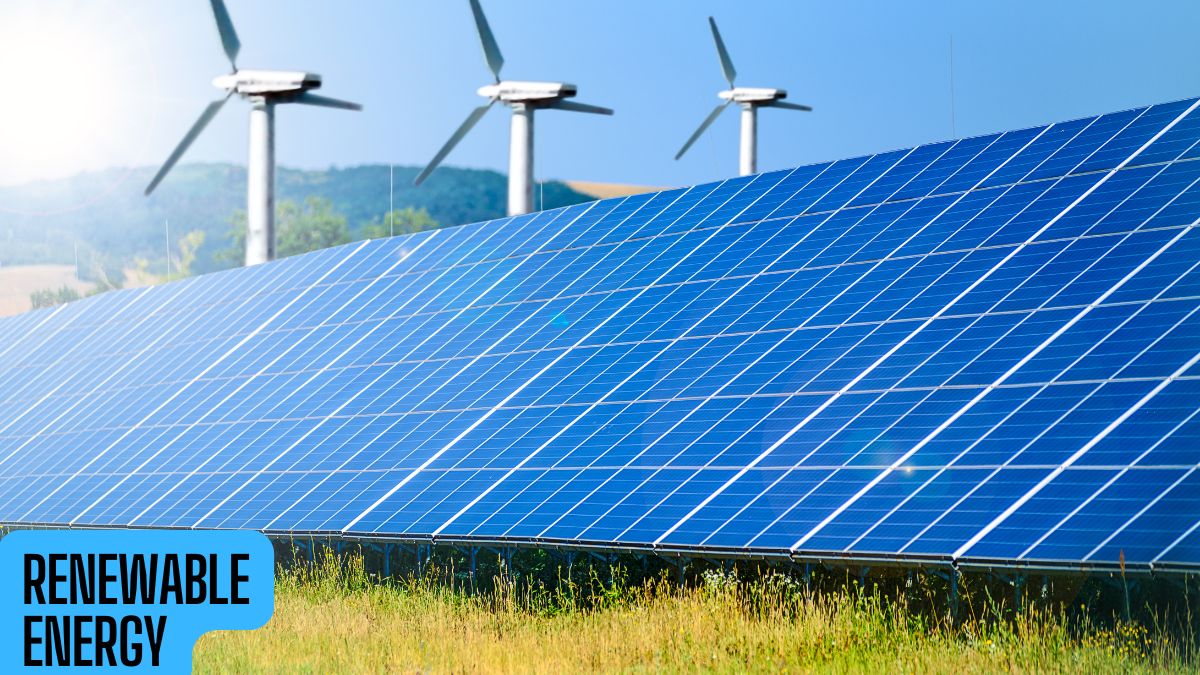
The world is undergoing a significant energy transformation as nations increasingly turn to renewable energy sources to address climate change and reduce dependency on fossil fuels. This global shift is gaining momentum as governments, businesses, and individuals recognize the urgent need to transition to sustainable energy. Solar, wind, hydropower, and other renewable sources are at the forefront of this movement, offering clean, reliable, and affordable alternatives to traditional energy sources.
Growing Demand for Renewable Energy
The demand for renewable energy has surged in recent years due to rising concerns about global warming and environmental degradation. According to a report by the International Energy Agency (IEA), renewable energy sources accounted for nearly 30% of global electricity generation in 2022, with solar and wind energy leading the way. This growth has been driven by technological advancements, government incentives, and falling costs of renewable energy infrastructure.
Many countries have set ambitious renewable energy targets. For example, the European Union aims to achieve 45% renewable energy consumption by 2030, while the United States plans to transition to 100% clean electricity by 2035. Similarly, China, the world’s largest emitter of greenhouse gases, has committed to reaching carbon neutrality by 2060, with a significant focus on expanding its renewable energy capacity.
Benefits of Renewable Energy
Renewable energy offers several key advantages. First, it is environmentally friendly, producing little to no greenhouse gas emissions compared to fossil fuels. This helps mitigate climate change and reduces air pollution, leading to better public health outcomes.
Second, renewable energy is a sustainable resource. Unlike coal, oil, and natural gas, which are finite and depleting, resources like sunlight, wind, and water are naturally replenished. This makes renewable energy a long-term solution to the world’s energy needs.
Third, the renewable energy sector has become a significant driver of job creation. According to a report by the International Renewable Energy Agency (IRENA), the sector employed over 12 million people globally in 2022. Jobs range from manufacturing and installation to research and maintenance, boosting local economies and providing stable employment opportunities.
Challenges in the Transition
Despite the remarkable progress, transitioning to renewable energy is not without challenges. One major hurdle is the intermittency of sources like solar and wind, which depend on weather conditions. To address this, investments in energy storage solutions, such as advanced batteries, are essential.
Another challenge is the high upfront cost of renewable energy projects. While long-term costs are often lower, initial investments can be a barrier for developing countries. International cooperation and financing mechanisms are critical to ensure equitable access to renewable energy technology.
The Role of Global Collaboration
Achieving a sustainable energy future requires global collaboration. International organizations, such as the United Nations and the International Renewable Energy Agency, are working to foster partnerships, share technology, and provide financial support to countries in need. Initiatives like the Paris Agreement emphasize the collective responsibility to reduce emissions and accelerate the transition to clean energy.
Conclusion
The global push for renewable energy is more than just a trend; it is a necessary step toward a sustainable future. While challenges remain, the progress made so far is promising. Governments, businesses, and individuals must continue to invest in renewable energy, innovate solutions, and collaborate globally to ensure a greener, cleaner planet for future generations.
