
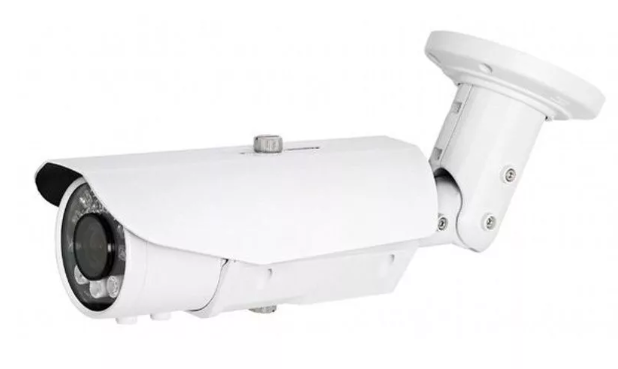
How Industrial Cameras Are Saving Lives in Explosive Zones
High-risk industries like oil and gas, chemical manufacturing, and pharmaceuticals operate in environments where safety is important. Flammable gases, vapors, and dust create a constant threat, and even a small spark can trigger devastating consequences.
To mitigate these risks and ensure worker safety, hazardous area cameras have become a vital tool in these industries. These specialized cameras are designed to operate safely in explosive environments, offering real-time surveillance and allowing operators to monitor critical areas without putting personnel at risk.
Through continuous monitoring and enhanced visibility, industrial cameras are playing a key role in preventing accidents and saving lives in some of the most dangerous industrial zones across the globe.
The Critical Need for Hazardous Area Cameras
Explosive zones are common in industries like oil and gas, chemical manufacturing, and pharmaceuticals, where leaks of flammable gases, vapors, and dust create explosion risks. To prevent ignition, equipment in these areas must meet strict safety standards.
Hazardous area cameras are designed to meet these requirements, featuring explosion-proof casings, advanced sensors, and infrared (IR) for low-light conditions. These cameras provide continuous, real-time monitoring, reducing the need for workers to enter dangerous areas and minimizing exposure to life-threatening situations.
How These Cameras Work in Explosive Zones
The following features make hazardous area cameras essential for enhancing safety and preventing disasters in explosive environments.
Explosion-Proof Design:
- Built to prevent sparks and withstand harsh conditions (extreme temperatures, water, vibrations).
- Continuous Monitoring:
- Track activities like gas pressure and equipment operation.
- Alert operators to issues before they escalate.
- Safety and Compliance:
- Monitor worker behavior to ensure safety protocol adherence.
- Prevent accidents by detecting potential errors early.
Reducing Human Risk and Improving Safety
Before hazardous area cameras, workers had to manually inspect equipment in explosive zones, exposing them to danger. With real-time video feeds, safety personnel can now monitor equipment remotely, identifying issues like gas leaks or malfunctions before they escalate.
This not only improves safety but enhances emergency response times, crucial in preventing disasters in hazardous areas. Hazardous area cameras are vital for reducing risk and protecting lives in these high-risk environments.
Enhancing Operational Efficiency
While hazardous area cameras are first and foremost about safety, they also contribute to the efficiency of operations. Industrial environments are complex, with machinery and equipment constantly working in high-pressure situations. These environments require regular monitoring to ensure everything is functioning as it should. Industrial cameras allow managers to oversee operations without being physically present in every hazardous zone.
The data gathered from cameras can also be used for performance analysis. With high-resolution images and infrared capabilities, these cameras can capture details that might otherwise go unnoticed. This can be invaluable in spotting early signs of wear and tear in machinery, preventing unplanned downtime, and extending the lifespan of expensive equipment.
Surveillance footage can help identify inefficiencies in workflows or equipment placement, leading to improved organizational planning. Regular monitoring, especially when coupled with artificial intelligence (AI) systems, can provide predictive insights, allowing for preemptive action to mitigate potential disruptions.
Compliance with Safety Standards
In industries that operate in hazardous areas, adhering to safety standards and regulations is a legal requirement. Hazardous area cameras help companies maintain compliance with these regulations, as they offer documented evidence of surveillance and safety measures being in place. Whether it’s ensuring that employees are not exposed to unsafe environments or demonstrating compliance during an inspection, having an effective camera system plays a critical role in passing audits and maintaining safety certifications.
Conclusion
Industrial cameras have revolutionized the way hazardous areas are monitored, offering an invaluable tool in preventing accidents, reducing human exposure to dangerous situations, and improving overall operational safety.
Their ability to provide clear, real-time visuals in explosive environments has proven to save lives and reduce risks. With advanced features like infrared technology, rugged construction, and explosion-proof design, hazardous area cameras are becoming indispensable for industries that operate in hazardous environments.
If you’re looking to enhance the safety and efficiency of your operations in hazardous zones, investing in a hazardous area camera could be the lifesaving solution you need.
