
Navigating the Future of Mobile App Ads: A Strategic Guide for 2025
In 2025, mobile is no longer just a channel, it’s the center of consumer interaction. People spend the majority of their digital lives inside mobile applications, from social media and entertainment to finance and shopping. For advertisers, this means the opportunity to engage audiences through mobile app ads is more powerful and more necessary than ever before. However, this opportunity comes with new challenges. With tighter privacy regulations, evolving user expectations, and fierce competition for attention, simply placing an ad inside an app is no longer enough. Advertisers must craft smarter, more personalized, and less disruptive experiences that align with both user intent and platform context.
Understanding the Mobile App Ecosystem
Before launching a campaign, advertisers need to understand the structure of the mobile app environment. Apps can be categorized by user intent, frequency of engagement, and monetization model. For example, gaming apps often rely heavily on ad revenue and offer clear, timed breaks for ad delivery. On the other hand, utility or finance apps may provide fewer but more context-rich ad moments. Understanding these behavioral nuances helps in selecting the right format, timing, and creative approach. Advertisers should tailor their strategies not just by vertical but also by user state whether the user is exploring, transacting, or returning.
Audience Segmentation in Mobile Campaigns
In mobile app advertising, segmentation is one of the most critical components. Audience profiles should be built using first-party and contextual data, reflecting user location, device type, in-app behavior, and even usage frequency. Instead of targeting broad demographics, mobile campaigns that perform best use micro-segmentation to reach highly specific groups. For instance, a fitness app user who exercises daily at night might be shown a product that supports recovery, whereas a casual user might see a motivational offer. Micro-moments matter, and success lies in understanding the “why” behind user engagement, not just the “who.”
Creative Assets for Mobile Screens
In a mobile-first world, creative assets must be designed specifically for small screens. This means using vertical orientation, bold fonts, high-contrast visuals, and instantly understandable messaging. The best mobile app ads tell a story in under six seconds and feature a direct call-to-action that is immediately clear. Interactive formats such as playable previews and rewarded videos tend to perform especially well, as they allow the user to participate instead of just consume. Personalization is also a growing trend. Dynamic creative that adjusts text or visuals based on location or user behavior is far more likely to convert than static ads.
Choosing the Right Formats for Mobile Success
Mobile app ads come in many forms, and each format serves a specific purpose within the user journey. Banner ads are basic but limited in engagement potential. Interstitial ads offer more visibility but must be used sparingly to avoid disrupting user flow. Native ads integrate smoothly with app content, offering higher user tolerance and better performance metrics. Rewarded video ads, in particular, have seen significant adoption in the gaming and entertainment sectors because they offer users something of value like extra lives or exclusive access in exchange for viewing an ad.
Programmatic Buying and Real-Time Optimization
Modern mobile campaigns are largely powered by programmatic buying, allowing advertisers to purchase ad inventory in real-time. This model increases efficiency by targeting users more precisely and automating delivery based on performance indicators. Real-time bidding (RTB) ensures that mobile app ads reach users who are most likely to engage, reducing waste and improving return on ad spend. Using a demand-side platform (DSP), advertisers can analyze multiple variables such as time of day, app category, network strength, and user behavior to determine the ideal ad placement. Machine learning then uses this data to optimize future bids and refine targeting models.
Timing and Context: Delivering Ads That Convert
Contextual relevance is key to engagement. An ad shown during a natural pause in a game or right after a transaction in a finance app is more likely to be welcomed than one that interrupts a crucial task. Advertisers should map the user journey within an app and identify natural transition points for ad delivery. Timing also matters on a broader scale—running campaigns during weekends, holidays, or specific time blocks based on app usage patterns can greatly influence performance. Seasonal context, behavioral triggers, and cultural relevance should all be considered in campaign timing.
Measurement and Analytics in Mobile Campaigns
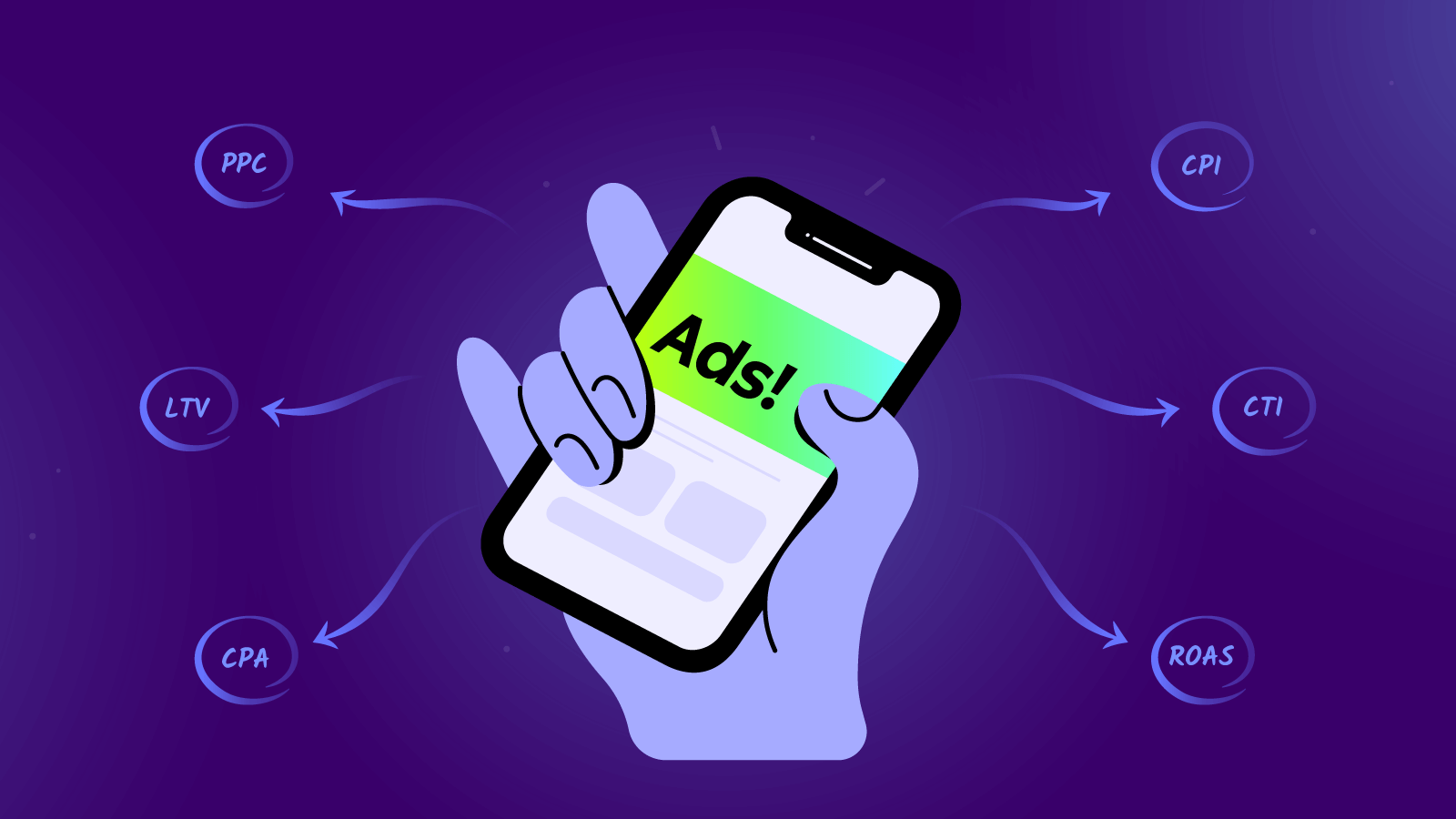
To ensure success, marketers must track key performance indicators that go beyond impressions and clicks. Modern mobile app ads should be evaluated based on cost-per-install (CPI), in-app engagement, user retention, and lifetime value (LTV). Attribution tools help map the full user journey from ad impression to post-install behavior, giving insights into which creatives, placements, and channels are driving the most valuable outcomes. Funnel analysis, cohort tracking, and event-based metrics allow for data-driven decision-making. Campaigns that focus on optimizing for LTV rather than just initial conversions are more sustainable and yield better ROI over time.
Adapting to Privacy and Regulatory Changes
The mobile ad ecosystem has been significantly reshaped by privacy legislation and platform policies. With Apple’s AppTrackingTransparency (ATT) and Google’s Privacy Sandbox, advertisers now have limited access to user-level identifiers. This shift has increased the importance of first-party data and contextual targeting. Users must be provided with clear consent mechanisms and transparency around how their data is used. Advertisers who prioritize ethical data practices and build trust through clear messaging are more likely to gain and retain users. Privacy is no longer a compliance issue; it’s a brand trust issue that directly affects performance.
FAQs
What type of mobile app ad format is most effective in 2025?
Rewarded video ads and native formats tend to outperform others in both engagement and retention, particularly in gaming and lifestyle apps where user interaction is high.
How can I ensure my ads aren’t intrusive to users?
Integrate ads at natural breakpoints in the user journey and choose formats that enhance, rather than interrupt, the app experience. Native and rewarded formats are ideal for maintaining user flow.
What metrics should I track to evaluate mobile ad performance?
Key metrics include CPI, retention rate, LTV, and ROAS. Post-install events such as purchases or in-app engagement are also critical for understanding campaign success.
Is programmatic advertising effective for mobile apps?
Yes, programmatic advertising offers efficient targeting and real-time bidding, making it a cost-effective solution for scaling mobile campaigns while maintaining relevance and performance.
Conclusion
The mobile advertising ecosystem in 2025 is more complex, competitive, and opportunity-rich than ever before. Brands that want to thrive must move beyond basic placements and adopt smarter strategies rooted in behavioral insight, creative personalization, and ethical data use. Mobile app ads should be treated as part of a larger user experience, one that builds value, not just visibility. From segmentation and creativity to measurement and privacy, every detail matters in the journey from impression to lifetime customer. For advertisers ready to execute high-impact campaigns with precision and scale, propellerads offers the tools and reach to turn attention into action.
About the Author:
Lena Griffin is a mobile advertising strategist with extensive experience working on performance-driven campaigns at Propeller Ads. She helps brands grow through innovative ad tech and mobile-first strategies. Visit the Propeller Ads website to explore how your app campaigns can achieve smarter scale.
