
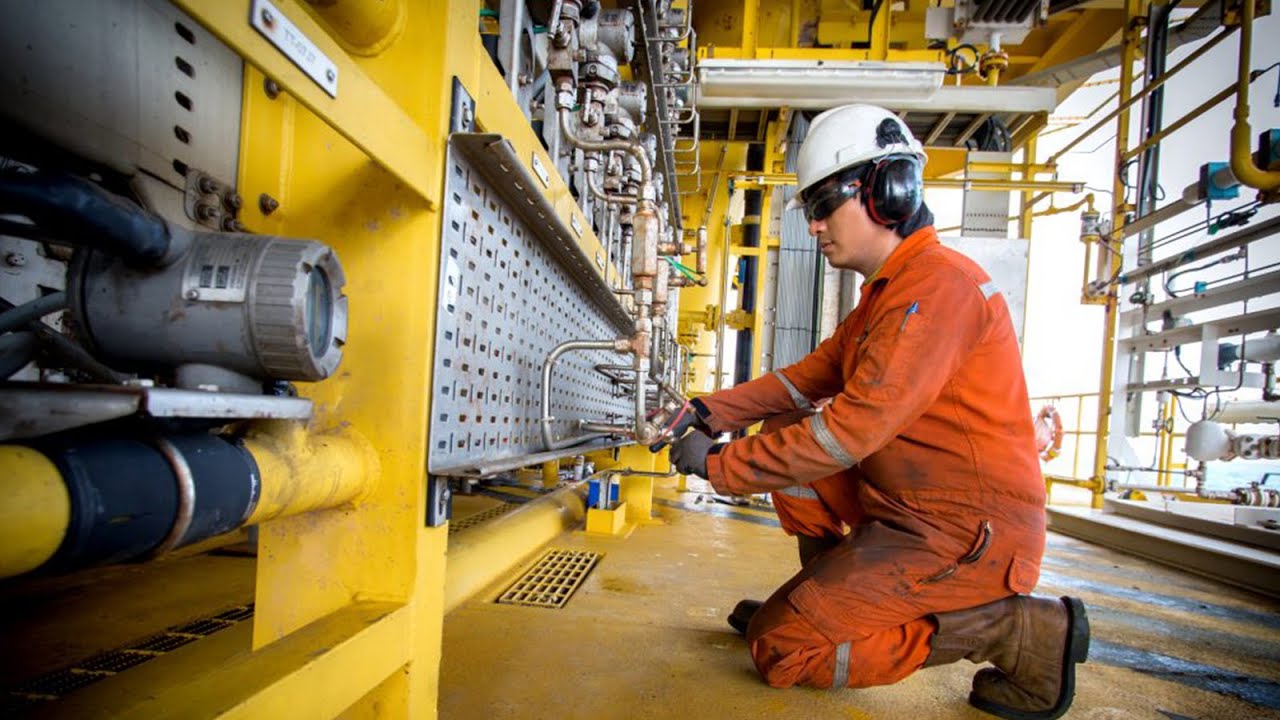
The Critical Role of Electrical Equipment in Industrial Operations
Introduction
Electrical equipment is the silent powerhouse behind most industrial operations. From powering machinery to ensuring seamless communication, electrical tools make work possible. In factories, construction sites, and warehouses, reliable electrical systems are vital. This equipment not only ensures efficiency but also supports safety. Without electrical equipment, many industries would halt. It’s hard to imagine a world without electricity-driven technology.
Ensuring Consistent Energy Supply
Power distribution systems are one of the most crucial aspects of industrial Electrical Equipment. These systems channel electricity from the main power source to machinery and equipment. Proper distribution ensures that the energy supply remains stable, preventing power failures that could disrupt operations. An efficient distribution system reduces downtime and improves productivity by maintaining a consistent power flow throughout the facility.
The Heart of Machinery Operations
Electrical motors drive much of the machinery in industrial settings. They transform electrical energy into mechanical energy to run machines, from conveyor belts to pumps and compressors. Motors are found in almost every part of manufacturing, and their reliability directly impacts productivity. Whether in an assembly line or in HVAC systems, electrical motors help industries run smoothly. Choosing the right motor for each machine is critical to maintaining efficiency and minimizing downtime.
Managing Operations with Precision
Control panels are the brains behind the electrical systems in most industrial operations. These panels house circuit breakers, switches, and other components that control the flow of electricity. Operators use control panels to monitor and adjust the functioning of machines and equipment. The precision offered by control panels helps in optimizing performance and preventing system overloads. They also serve as a safety feature, automatically cutting power when problems arise.
Protecting Equipment from Electrical Surges
Circuit breakers are safety devices used to protect electrical equipment from overloads and short circuits. In the event of a surge or fault, the circuit breaker trips, disconnecting power to prevent damage. In industrial settings, this is crucial to protect expensive machinery and prevent fire hazards. Circuit breakers ensure that systems remain intact and functional, reducing repair costs and minimizing downtime caused by electrical failures.
Adjusting Voltage for Industrial Needs
Transformers are essential electrical equipment that adjusts the voltage levels for different industrial applications. In power plants or factories, the electricity generated often needs to be transformed to suit specific machinery. Transformers reduce or increase voltage to match the requirements of the equipment. This ensures that machinery receives the right power, preventing damage and optimizing performance. Without transformers, industrial facilities would experience inefficient and unstable power supplies.
Ensuring Visibility and Safety
Industrial lighting is crucial for maintaining a safe working environment. Well-lit workplaces reduce accidents and ensure that employees can perform tasks accurately. Proper lighting is essential for safety and efficiency in factories, warehouses, and outdoor sites. Electrical lighting systems help in clearly illuminating work areas, ensuring that workers have the visibility needed to operate machinery and perform tasks correctly. High-quality industrial lighting also supports security by preventing dark areas that could be dangerous or lead to theft.
Keeping Operations Running During Outages
Power backup systems are a must in industries that rely on continuous operations. Generators, uninterruptible power supplies (UPS), and other backup systems ensure that critical equipment remains powered during outages. These systems are essential for preventing downtime, especially in industries where production is continuous, like manufacturing and data centers. Backup systems protect against the risks posed by power failure, ensuring that operations continue without disruption, even in emergencies.
A Foundation for Reliable Power Flow
Electrical wiring forms the foundation of any industrial electrical system. It connects all the equipment to the power supply and ensures that electricity flows correctly. The wiring must be strong, durable, and correctly installed to prevent short circuits, fire hazards, and other problems. Properly maintained wiring systems are crucial for ensuring the safe and efficient operation of all electrical equipment in the facility. Routine inspections and replacements of worn-out wiring prevent serious failures.
Ensuring Safety and Functionality
Electrical testing equipment is used to measure the condition of electrical systems and components. Tools such as voltmeters, ammeters, and insulation testers check voltage, current, and the health of electrical equipment. Regular testing helps in identifying faults early before they lead to system failures. By using testing equipment, industries can prevent accidents and extend the life of their electrical systems. It also ensures compliance with safety standards and regulations.
Automation Systems
Automation systems, powered by electrical equipment, enhance efficiency in modern industrial operations. These systems use electrical signals to control machinery, sensors, and other devices, minimizing human intervention. Automated systems are commonly used in assembly lines, material handling, and packaging processes. They increase precision, reduce human error, and improve overall production speed. Automation allows industries to scale operations while maintaining consistent quality and safety standards.
