
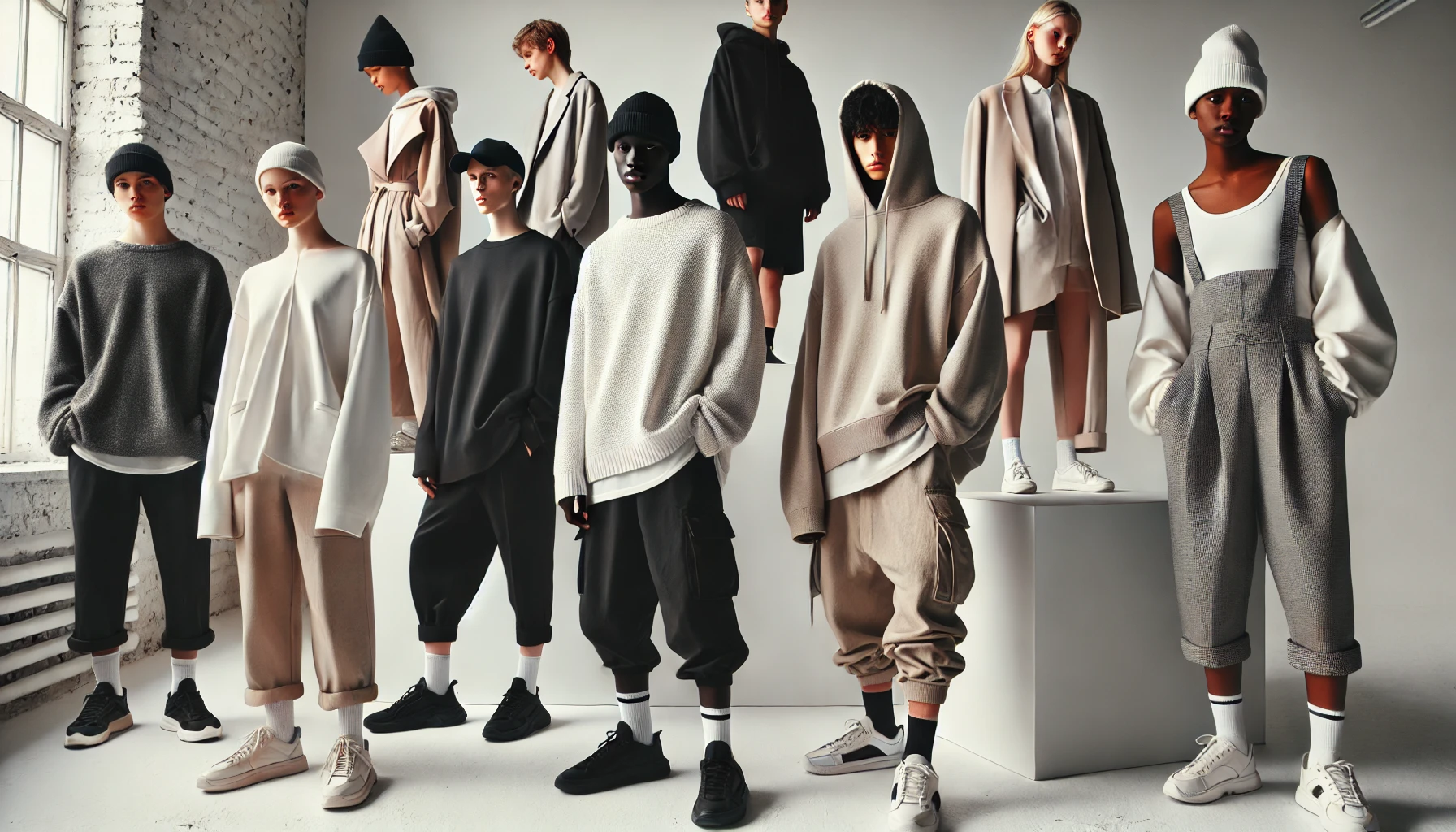
The Rise of Gender-Neutral Fashion
Fashion has always been a reflection of cultural, social, and political trends. Over the years, we’ve seen it evolve from strict gender norms to a more inclusive approach. One of the most significant shifts in recent years is the rise of gender-neutral fashion. This movement is not just a trend but a cultural statement that challenges traditional ideas about clothing and identity. Let’s explore the factors behind this change and how it’s reshaping the fashion industry.
What Is Gender-Neutral Fashion?
Gender-neutral fashion refers to clothing that is designed without specific gender categories in mind. Unlike traditional fashion, which often separates styles for men and women, gender-neutral or unisex fashion embraces versatility and inclusivity. These pieces often focus on comfort, simplicity, and functionality, making them suitable for anyone, regardless of gender identity.
For example, oversized hoodies, tailored suits, and sneakers are common staples in gender-neutral wardrobes. Instead of emphasizing masculinity or femininity, these clothes prioritize individuality and personal expression.
Why Is Gender-Neutral Fashion Gaining Popularity?
Several factors contribute to the growing popularity of gender-neutral fashion. Here are some key reasons:
1. Changing Perspectives on Gender
Society’s understanding of gender has evolved significantly in recent years. Many people now recognize that gender exists on a spectrum, rather than being limited to “male” and “female.” As these ideas gain acceptance, traditional gendered clothing feels restrictive to many individuals.
2. Influence of Younger Generations
Gen Z and millennials are leading the charge in embracing gender-neutral fashion. These younger generations value self-expression and reject rigid stereotypes. According to a 2021 study by Pew Research Center, a significant portion of Gen Z believes that societal norms around gender should be more inclusive. This mindset naturally extends to their fashion choices.
3. Celebrity and Influencer Endorsements
Celebrities and influencers play a crucial role in popularizing gender-neutral fashion. Stars like Harry Styles, Janelle Monáe, and Billie Eilish have made bold statements by wearing outfits that defy traditional gender norms. Their influence encourages fans to explore similar styles, making gender-neutral fashion more mainstream.
4. Sustainability and Minimalism
The rise of sustainability in fashion has also fueled the gender-neutral movement. Many gender-neutral designs focus on timeless, versatile pieces that reduce waste and overconsumption. By creating clothing that works for all genders, brands can streamline production and promote minimalism.
How the Fashion Industry Is Adapting
The fashion industry has been quick to adapt to the demand for gender-neutral clothing. Major brands and independent designers alike are embracing this movement in various ways:
1. Unisex Collections
Many high-profile brands, including Gucci, Balenciaga, and Zara, have introduced unisex collections. These lines feature clothing that blends masculine and feminine elements, making them suitable for a wide range of customers.
2. Inclusive Marketing
Advertising campaigns are increasingly featuring models of diverse gender identities. This shift highlights the inclusivity of gender-neutral fashion and encourages broader acceptance.
3. Non-Binary Designers
Non-binary and LGBTQ+ designers are at the forefront of this movement. Brands like Telfar, Wildfang, and Phluid Project are breaking barriers by creating innovative designs that cater to everyone.
4. Retail Changes
Retailers are rethinking their store layouts to reflect gender-neutral fashion. Some have eliminated “men’s” and “women’s” sections altogether, opting for a more fluid shopping experience.
The Challenges of Gender-Neutral Fashion
While gender-neutral fashion has made significant progress, it still faces challenges:
1. Cultural Resistance
In many parts of the world, traditional gender norms remain deeply ingrained. This can make it difficult for gender-neutral fashion to gain acceptance on a global scale.
2. Sizing and Fit Issues
Creating clothing that fits a wide range of body types is a challenge for gender-neutral designers. Traditional sizing systems are often based on gender, so developing inclusive alternatives requires innovation and effort.
3. Tokenism
Some brands adopt gender-neutral fashion as a marketing strategy rather than a genuine commitment to inclusivity. This can lead to superficial designs that fail to address the needs of diverse customers.
The Future of Gender-Neutral Fashion
The rise of gender-neutral fashion represents a broader cultural shift towards inclusivity and individuality. As more people challenge traditional norms, the demand for inclusive clothing will continue to grow. This movement is likely to inspire innovation in design, marketing, and retail, making fashion more accessible to everyone.
Brands that embrace authenticity and prioritize the needs of their diverse customers will be at the forefront of this change. Ultimately, gender-neutral fashion is not just about clothing; it’s about creating a world where everyone can express themselves freely, without limitations.
Conclusion
Gender-neutral fashion is more than a passing trend—it’s a reflection of evolving social values and a step towards greater inclusivity. By challenging traditional norms, this movement is redefining what fashion can be. Whether you’re looking for comfort, self-expression, or sustainability, gender-neutral clothing offers something for everyone. As this movement continues to grow, it’s clear that the future of fashion is fluid, inclusive, and boundary-breaking.
