
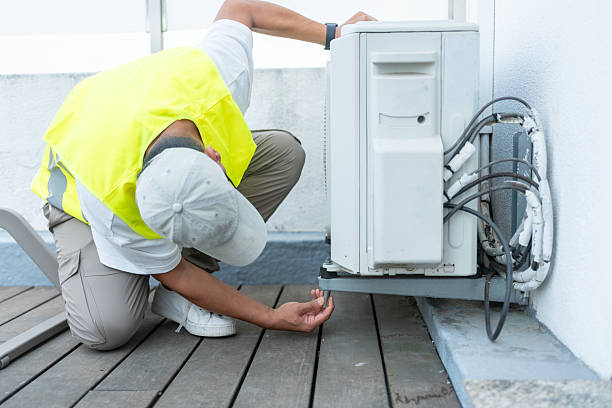
What Homeowners Should Know Before Replacing or Repairing Their HVAC System
Your heating and cooling system is one of the most important — and expensive — components of your home. Yet many homeowners don’t think about their HVAC system until something goes wrong: a unit fails on the hottest day of summer, energy bills spike unexpectedly, or airflow becomes uneven from room to room. When that moment arrives, knowing how to evaluate your options can save you stress, time, and money.
This article offers a practical, homeowner-friendly overview of HVAC repair and replacement decisions, common warning signs, and how to plan ahead so you’re not caught off guard when your system needs attention.
Understanding the Role of Your HVAC System
HVAC stands for heating, ventilation, and air conditioning. Together, these components regulate indoor temperature, humidity, and air quality. A well-functioning system does more than keep you comfortable — it helps protect your home from moisture issues, supports healthy airflow, and contributes to overall energy efficiency.
Because HVAC systems operate year-round, wear and tear is inevitable. Most systems are designed to last 10–15 years, depending on usage, maintenance habits, and environmental conditions. Knowing where your system falls within that lifespan helps frame whether repair or replacement is the smarter move.
Signs Your HVAC System Needs Attention
Not every HVAC issue requires a full system replacement. However, certain symptoms suggest it’s time to call a professional for an evaluation:
- Inconsistent temperatures between rooms or floors
- Rising energy bills without changes in usage
- Unusual noises, such as banging, grinding, or rattling
- Weak airflow from vents
- Frequent repairs over a short period
- System age approaching or exceeding a decade
Ignoring these signs often leads to bigger problems later. Early assessment gives you more control over the decision-making process rather than forcing a rushed choice during an emergency.
Repair vs. Replacement: How to Decide
One of the most common homeowner questions is whether to repair an existing system or replace it entirely. While every situation is unique, a few general principles can guide your decision.
When Repair Makes Sense
Repair is often the better option if:
- The system is relatively new
- The issue is isolated (for example, a capacitor or thermostat failure)
- Repair costs are modest compared to replacement
- The unit has a solid maintenance history
A professional inspection can confirm whether a repair will meaningfully extend the system’s life.
When Replacement Is the Smarter Choice
Replacement may be more cost-effective if:
- The system is nearing the end of its expected lifespan
- Repairs are becoming frequent or costly
- Energy efficiency has noticeably declined
- Comfort issues persist despite previous fixes
Newer HVAC systems are typically more energy-efficient and better suited to modern comfort expectations, which can translate into long-term savings.
Planning Ahead Instead of Reacting
One of the biggest mistakes homeowners make is waiting until a system fails completely before thinking about replacement. Emergency situations limit your choices and often increase costs.
Proactive planning allows you to:
- Research equipment options at your own pace
- Compare efficiency ratings and features
- Schedule installation during off-peak seasons
- Budget for the investment rather than absorbing a sudden expense
Even if your system is still running, having a general plan in place reduces uncertainty.
The Importance of Professional Evaluation
HVAC systems are complex, and surface-level symptoms don’t always reveal the underlying cause. A professional assessment looks at factors such as system sizing, ductwork condition, airflow balance, and overall performance.
Homeowners looking for reliable information and service options often start by reviewing local providers and educational resources, such as those found atcowboysac.com, to better understand what a thorough HVAC evaluation involves and what questions to ask before committing to repairs or replacement.
Maintenance: Extending System Life
Routine maintenance plays a major role in HVAC longevity. Simple steps can prevent avoidable breakdowns and improve efficiency:
- Replace air filters regularly
- Keep outdoor units clear of debris
- Schedule annual system checkups
- Address small issues promptly
Maintenance doesn’t eliminate the need for eventual replacement, but it can delay it — sometimes by several years — while keeping performance steady.
Budgeting and Long-Term Value
While upfront costs matter, HVAC decisions should be viewed through a long-term lens. A cheaper repair today may lead to repeated expenses, while a higher initial investment in a newer system could offer lower operating costs and fewer disruptions.
Think in terms of:
- Expected remaining lifespan
- Projected energy usage
- Comfort consistency
- Peace of mind
Balancing these factors leads to better outcomes than focusing on price alone.
Conclusion: Making Confident HVAC Decisions
HVAC repairs and replacements don’t have to be overwhelming. By understanding your system’s role, recognizing early warning signs, and planning ahead, you can make informed decisions that support comfort and efficiency for years to come.
Whether you’re dealing with a minor issue or exploring long-term options, taking time to learn from trusted resources — including practical guidance available at cowboysac.com — helps ensure your next HVAC decision is proactive rather than reactive, and aligned with your home’s needs.
